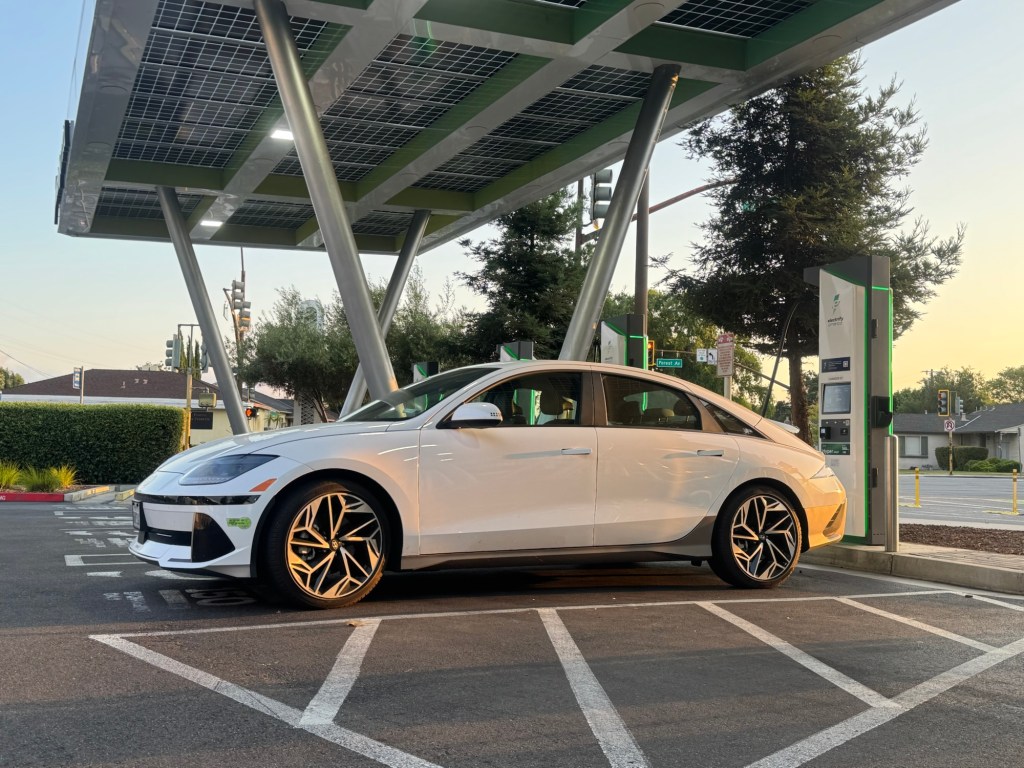
We bought our Hyundai IONIQ 6 SEL at the end of July 2023, and we’ve really enjoyed driving it. Its performance, quiet and comfortable cabin, and advanced technology make it a clear upgrade from our previous Toyota Prius. I’m surprised it hasn’t sold better in the U.S.—likely due to its polarizing design and the strong consumer preference for the Tesla Model 3 or SUV-style vehicles.
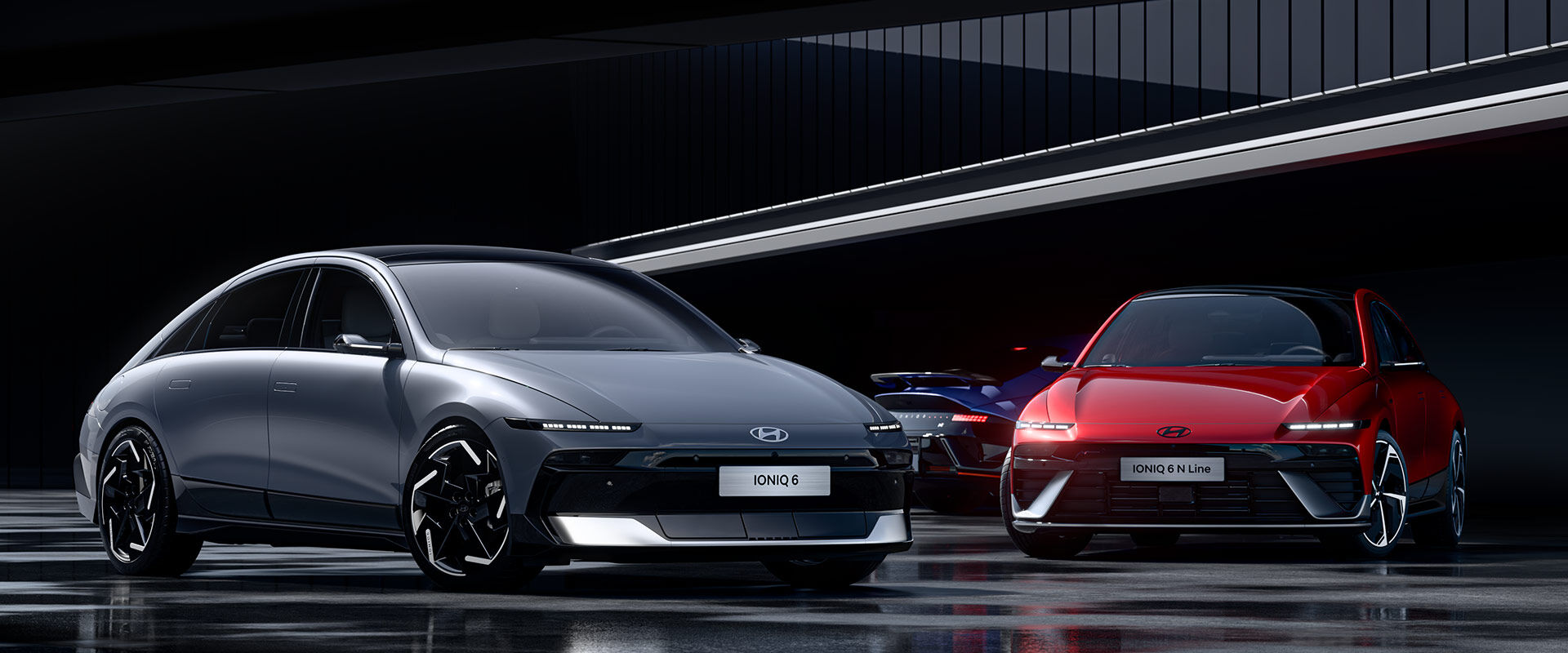
Three years after its debut, Hyundai has updated the styling and announced a high-performance model, the IONIQ 6 N, for 2026. Whether that will be enough to boost sales remains to be seen. Personally, I still get excited whenever I spot another IONIQ 6 on the road. And, when given the opportunity, I like to chat with fellow owners. It reminds me of the early Tesla days, when drivers would wave to each other. We’re a small but dedicated group—and we love this car.
Our IONIQ 6 came with a perk: two years of free 30-minute DC fast charging at Electrify America (EA) stations. As we reach the end of that period, I’d like to share a quick overview of our charging habits and our plans going forward.
Powering the first 20,000 miles
We recently passed the 20,000-mile mark and have averaged between 4.2 and 4.3 miles per kWh, thanks mostly to city driving. With a 77.4 kWh battery (74 kWh usable), that translates to an estimated range of 310–318 miles per full charge—if we were to run it down to 0%. If we did more highway driving, our average miles per kWh would be closer to or just below 4.0. The EPA rating for the SEL RWD trim was 306 miles for the 2023-2024 models but was revised to 291 for the 2025 models, despite no major changes to the car. By contrast, the new 2026 model will have a larger battery capacity of 88 kWh, which should increase the IONIQ 6’s range considerably.
I wish all Electrify America locations were like the nearby Westfield Valley Fair location, which has 14 charging stalls. Most other Bay Area EA locations have just four stalls, and they’re often fully occupied. The trick is to go to the station super early in the morning. When I charge around 6 am at Valley Fair, there are usually no more than one or two cars there. Mornings are the best time to go!
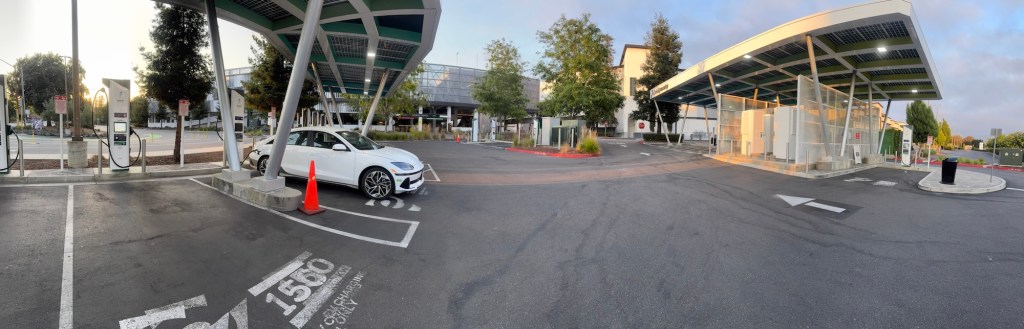
Recently, EA implemented an 85% charge limit at some stations, including Valley Fair. We used to be able to hit nearly 92-95% during our 30-minute sessions, but now we have to unplug when the battery reaches 85%. Fortunately, the IONIQ 6 supports ultra-fast charging, going from 20% to 80% in just 18 minutes. I find myself getting in and out of the station faster than other EVs.
Lifetime stats thus far
According to the Electrify America mobile app, we’ve transferred a total of 4,115 kWh into our IONIQ 6 over 85 visits, saving an estimated $4,525.52. I’m not quite sure how they calculated that figure, since at an average cost of $0.56 per kWh, I should have saved $2,304.40. Regardless, the 85 total sessions translates to roughly one visit every 0.8 weeks.

Like I wrote earlier, we typically drive the car in-town, but we’ve also taken the car on three long road trips: two to Southern California and one to Sacramento. On our drives to and from SoCal, we frequently stopped at Kettleman City, a popular rest stop off of Interstate 5 (I-5).
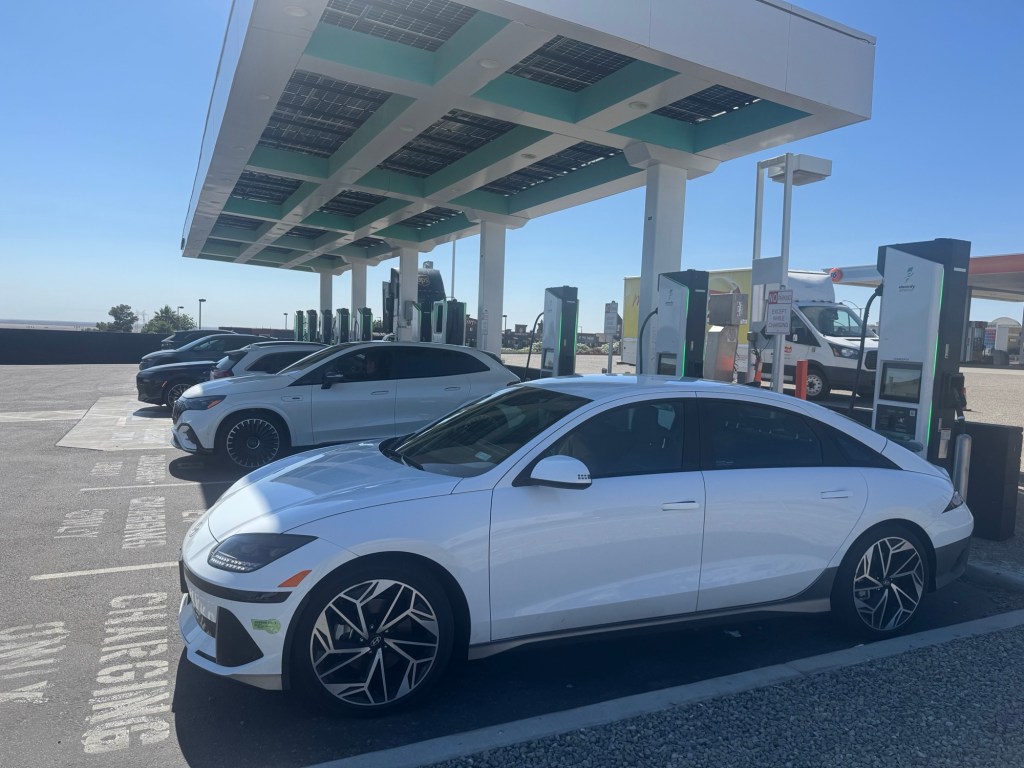
When we had our Prius, we would fuel up at the gas station, get some In-n-Out, and play around in Bravoland. With the IONIQ 6, we charge up at one of the 10 Electrify America stalls and still get some In-n-Out.

Transitioning to home charging
Electrify America rates in the San Francisco Bay Area have climbed from $0.48 to $0.56 per kWh since we bought the car. Home charging is cheaper at $0.16–$0.17 per kWh. When deciding between charging at home versus EA, we consider three variables:
- Cost
- Speed
- Convenience
Since EA has been free for us till now, it has won out on cost. It gets a point for speed too. DC fast charging is much faster than Level 2 charging. Going from 20-80% would take around 6 hours at home versus 18 minutes at an EA station. Where Electrify America loses out is over convenience. Our our Emporia Level 2 charger in our garage is always available and dedicated to us.
And so in August, we’ll begin charging at home full-time. Up until now, we’ve only charged 809 kWh at home, usually in the evenings before a long drive or whenever the EA stations were busy.
As for future road trips, we’ll have more options than just Electrify America. Hyundai is giving us a free NACS charging adapter, so we’ll also be able to use the Tesla Supercharger network. I’ve also downloaded apps for ChargePoint and EVgo, so we may use them when outside of our home.
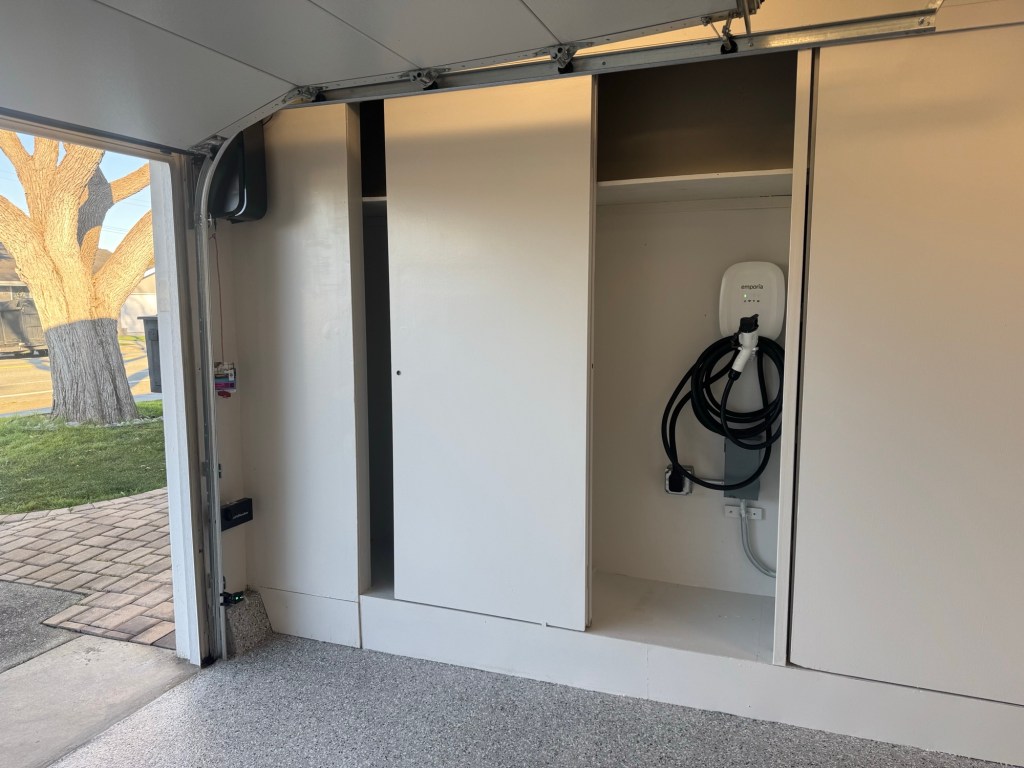
Naturally, once we’re charging at home full-time, our electricity bill will increase. Spreading out 4,944 kWh over two years, we’re averaging about 48 kWh of charging per week. At $0.17/kWh, that comes out to an additional $33/month to our bill. When we moved into our house, I think the electricity rates were something on the order of $0.06 or $0.08 per kWh. Today’s rates are still a whole lot better than PG&E, and that’s due to Santa Clara having its own power company.
I’m on the fence as to whether we’ll charge to 100% or to 80-90%. There are mixed opinions on the risks of regularly charging to 100%—some say it’s fine, others say it can reduce long-term battery capacity. I’ve also been thinking if we need extra range, the 20-inch wheels can be swapped out for some 18-inch wheels. The smaller, lighter wheels are standard on the cheaper, long-range SE model, and I’ve read reports of people getting nearly 400 miles on a full charge in ideal weather and driving conditions.
Final thoughts
I’m sad to see our two years of free DC fast charging with Electrify America come to an end. It was a great deal, and we definitely made the most of it. I won’t miss waking up early to beat the crowds or waiting in line while other cars finish charging. With home charging, I can wake up to a full tank of electrons every morning if I wanted to.

I do wish I had taken the opportunity a few years back to redo our roof, install solar panels, and add home batteries while California’s NEM 2.0 program was still in effect. That could have made charging at home virtually free. These days, under NEM 3.0, there’s less upside to going solar, and the math doesn’t work out as well—especially since our electricity rates are still relatively low compared to the rest of the Bay Area using PG&E.
So for now, I’m fine using our Level 2 home charger and paying a bit more each month—it’s still cheaper and far more convenient than gas.
Product links
- EMPORIA Level 2 EV Charger – NEMA 14-50 EVSE w/ J1772 Connector – 48 amp EV Charger Level 2
- Hyundai IONIQ 6
Disclaimer: This post may contain affiliate links. If you make a purchase through one of these links, I may earn a small commission at no additional cost to you. Thank you for supporting my blog!




 tow.com
Leave a reply to Adam Tow Cancel reply